Specialist in vitro pharmacology CRO
Drug Discovery Services For GPCR Programs
Advance your GPCR discovery programmes with scientists with decades of experience in receptor binding, signalling and phenotypic pharmacology, providing the evidence you need to make confident go/no-go decisions.
- Assays across every level of GPCR drug action — binding, signalling, trafficking, phenotype
- Any GPCR target, including orphan receptors — bespoke assay development where nothing off-the-shelf fits
- Your IP stays yours — standard CDAs and MSAs, encrypted data transfer
- 50+
- Drug discovery clients
- 150+
- Projects completed
- 40+
- Years of GPCR pharmacology
Talk to a scientist about your GPCR target
Speak with our scientific team to discuss your programme, explore initial ideas and develop an experimental strategy, with no obligation.
Accreditations & marketplace listings



What Happens After You Get In Touch
Three simple steps, direct to the science.
Our GPCR Team Read It
Your enquiry goes directly to our senior scientific team, not a sales queue. You’ll receive initial thoughts on the receptor biology and potential assay approaches.
Your Initial Discussion
We work through your objectives, timelines and deliverables based on your request, then develop an initial project proposal for you to take to your team.
Project Initiation
Once the project scope is agreed, projects typically initiate within two to four weeks, with regular communication throughout to keep you informed of progress.
“Excellerate is my first-choice recommendation for GPCR pharmacology assay services when advising pharma and life science organizations.”

Sam Hoare
Lead Consultant & Founder, Pharmechanics LLC
“The team consistently exceeds expectations in scientific expertise, attention to detail, communication, and project management.
Excellerate brings deep knowledge across GPCR pharmacology, spanning expression technologies and construct design, assay strategy and optimization, data analysis, and clear reporting. They are particularly strong in compound profiling and mechanism-of-action pharmacology, including binding and signaling kinetics.
Communication is a clear strength, with engaging project meetings and responsive turnaround that helps avoid roadblocks and keep programs moving. I strongly recommend Excellerate for GPCR and broader in vitro pharmacology services.”
Expert GPCR Cell Signalling & GPCR Drug Discovery
Excellerate Bioscience are an established in vitro pharmacology contract research organisation (CRO) with specialist expertise in GPCR drug discovery.
Based in Nottingham, UK, we have extensive experience of applying our in-depth molecular and cellular pharmacology expertise to help pharmaceutical and biotechnology companies worldwide advance their GPCR drug discovery programmes.
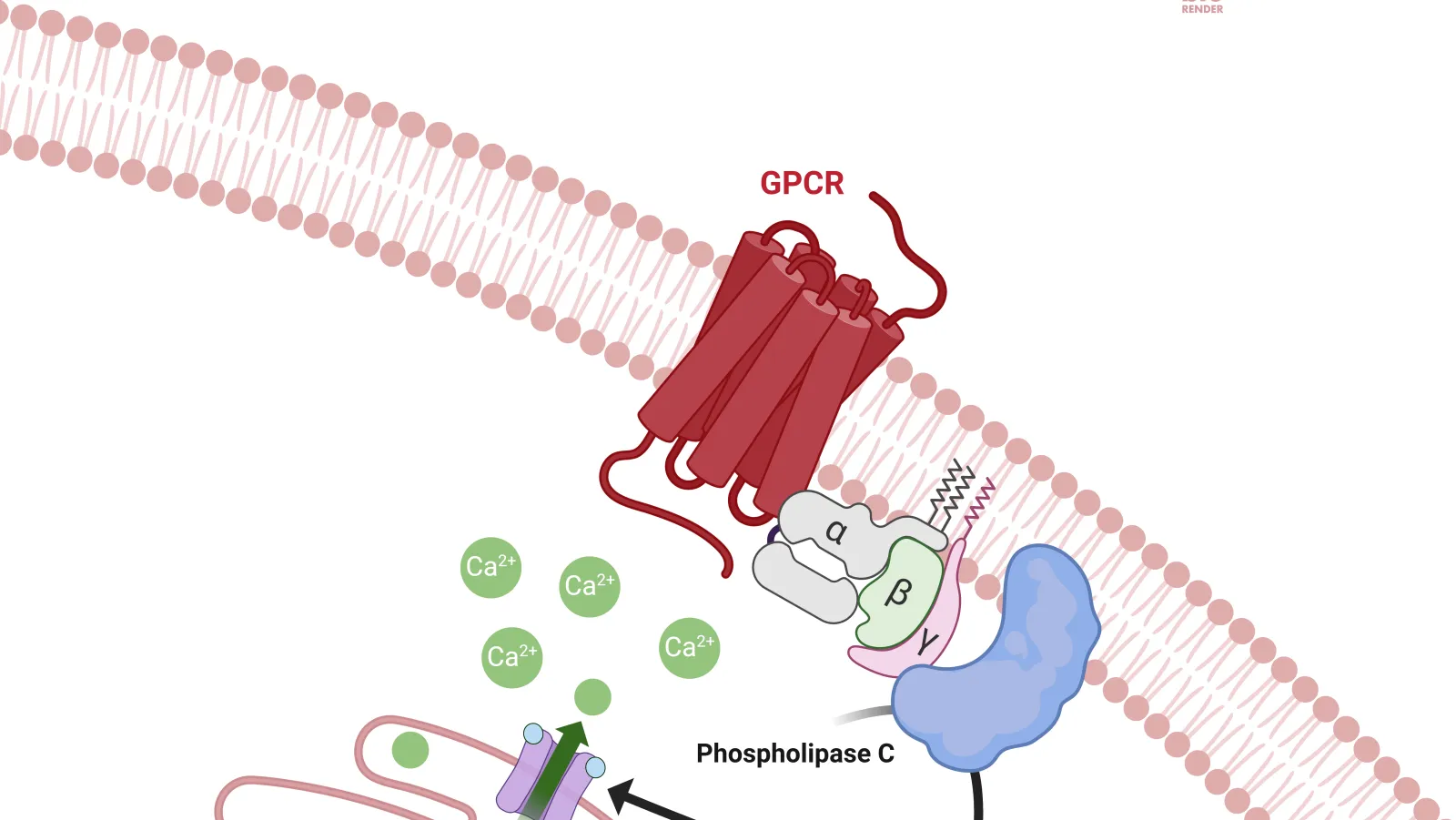
GPCRs are the largest family of cell surface receptors and play key roles in all physiological processes. It's no surprise therefore, that they continue to be key targets for drug discovery programmes searching for effective new medicines, as well as being the target for 35% of existing therapeutics.
Our team brings decades of experience in GPCR pharmacology to your projects, supporting confident decision-making throughout all phases of pre-clinical drug discovery. From target validation to lead optimisation, we provide both custom and standard assays in GPCR signalling, binding and phenotypic analysis, backed by advanced pharmacological analysis — reducing risk and accelerating the path to your next discovery milestone.
Discuss Your GPCR ProgrammeGPCR Drug Discovery at Excellerate
We have extensive experience and expertise in GPCRs across all areas of our molecular pharmacology services.
Drug Discovery Phases
Support across all phases of early GPCR drug discovery: target validation, hit identification, lead optimisation, and preclinical candidate studies.
Therapeutic Areas
Expertise in GPCR pharmacology and function across respiratory disease, immunology and inflammation, metabolic diseases, oncology, and CNS.
Drug Modalities
GPCR interactions and signalling pathways evaluated across multiple drug modalities including small molecules, biologics, peptides, and other emerging modalities.
Screening & Assay Development
Custom in vitro assay development and screening strategies optimised for robustness, reproducibility, and biological relevance.
Advanced Pharmacological Analysis
Expertise in advanced quantitative pharmacological analysis, including kinetic and allosteric pharmacology.
Phenotypic Assays
Broad phenotypic and pathway-specific assays capturing functional GPCR responses beyond target engagement alone.
GPCR Expertise at all Levels of Drug Action
Our GPCR assays cover all levels of the signalling cascade, from drug-receptor interactions to G protein activation, second messenger production, and whole cell phenotypic responses.
Ligand-GPCR interactions
Established and bespoke membrane and whole cell binding assays to determine compound binding pharmacology at GPCRs: affinity, kinetics, allosterism and SAR.
Downstream Signalling
Compound efficacies at multiple signalling pathways e.g. G protein activation, β-arrestin recruitment, cAMP and inositol phosphate production, intracellular calcium release, ERK activation, gene transcription.
Signalling Kinetics
Using live cell biosensors to monitor kinetics of signalling responses, with associated advanced kinetic analysis.
Receptor Trafficking
GPCR interactions with β-arrestin, imaging of cell surface and intracellular GPCR localisation, quantification of cell surface GPCRs using ELISA.
Cellular and Phenotypic responses
Whole cell responses stimulated by activation of endogenous and exogenously expressed GPCRs including proliferation, differentiation, and metabolic changes in a wide range of cell types.
GPCR Expertise You Can Trust
Your programme is handled by scientists who bring deep drug discovery experience and a clear understanding of how data informs decisions. Our leadership team combines academic rigour with industry perspective, ensuring studies are designed not just to generate data but to answer the right scientific questions.
As well as internationally recognised expertise in GPCR biology, we have extensive capability in cell-based pharmacology and discovery screening. We work closely with our partners as an extension of their research teams — an approach that adds scientific insight and flexibility, and helps programmes progress efficiently while maintaining high standards of data quality, reproducibility and interpretation.
The focus throughout is robust, decision-ready data that supports earlier and more confident go/no-go decisions, reducing risk and accelerating progression through the discovery pipeline.


Nick Holliday
Chief Scientific Officer
Nick has over 25 years’ experience in the molecular pharmacology of GPCRs and other drug targets, and in leading development of biochemical and cellular assay systems for analytical pharmacology and compound profiling.

Steve Briddon
Director of Pharmacology
Steve has 30 years’ of GPCR research experience with broad expertise in quantitative molecular pharmacology, biophysical techniques and advanced imaging.
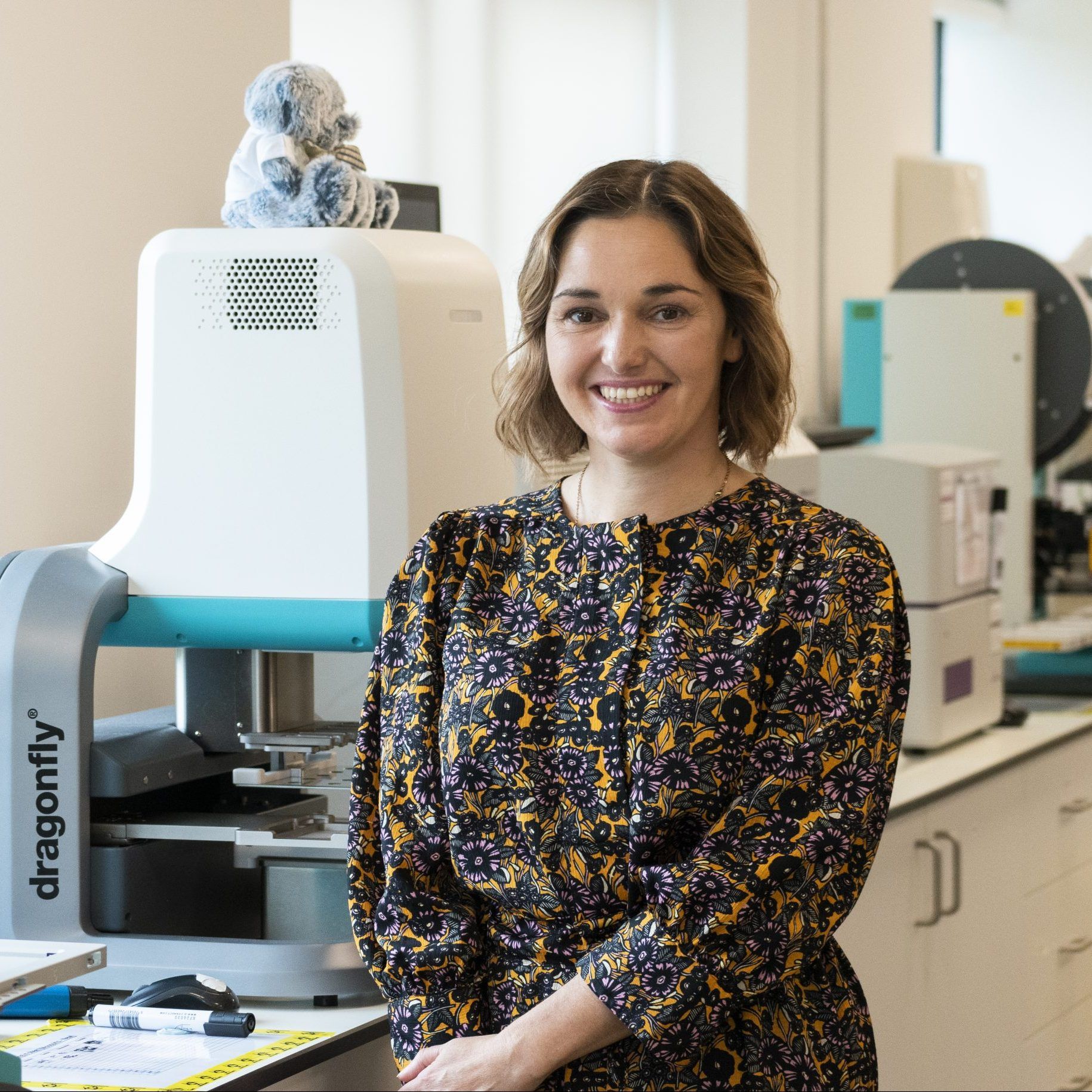
Leigh Stoddart
Principal Scientist
Leigh is a receptor pharmacologist with extensive experience of quantitative GPCR pharmacology and managing GPCR programmes in a CRO environment.
150+
Studies Completed
50+
Client Programmes Advanced
Explore Our Scientific Resources
The Excellerate team has made significant contributions to analytical pharmacology, particularly in the field of binding and signalling kinetics.
Here you can access useful resources from the team, as well as publications, presentations and technology spotlights.
Publications
Unravelling intrinsic efficacy and ligand bias at G protein coupled receptors: A practical guide to assessing functional data; 2016
Discovery, Characterization, and Structure-Based Optimization of Small-Molecule in Vitro and in Vivo Probes for Human DNA Polymerase Theta; 2022
High-throughput kinetics in drug discovery; 2024
Design, Synthesis, and Application of Fluorescent Ligands Targeting the Intracellular Allosteric Binding Site of the CXC Chemokine Receptor 2; 2023
GRK-biased adrenergic agonists for the treatment of type 2 diabetes and obesity; 2025
Phenotypic pharmacology of novel Complex I inhibitors eliciting tissue repair concurrent to control of inflammation; 2025
An industrial perspective on ligand bias in GPCR drug discovery; 2025
Micro-pharmacokinetics: Qualifying local drug concentration at live cell membranes; 2018
Airway remodeling disease: primary human structural cells and phenotypic and pathway assays to identify targets with potential to prevent or reverse remodeling; 2018
Extrapyramidal side effects of antipsychotics are linked to their association kinetics at dopamine D2 receptors; 2017
GPCRs – Structure, Function and Drug Discovery; 2019


Frequently Asked Questions
The things GPCR teams usually want settled before they get in touch.
Ready to discuss your GPCR programme?
Speak with our scientific team about your objectives, timelines, and how we can support your research. No obligation, and nothing leaves our team.
Talk to a scientist about your GPCR target
Speak with our scientific team to discuss your programme, explore initial ideas and develop an experimental strategy, with no obligation.
Have a GPCR target you need profiled? Studies typically start within 2–4 weeks.
Talk To A Scientist